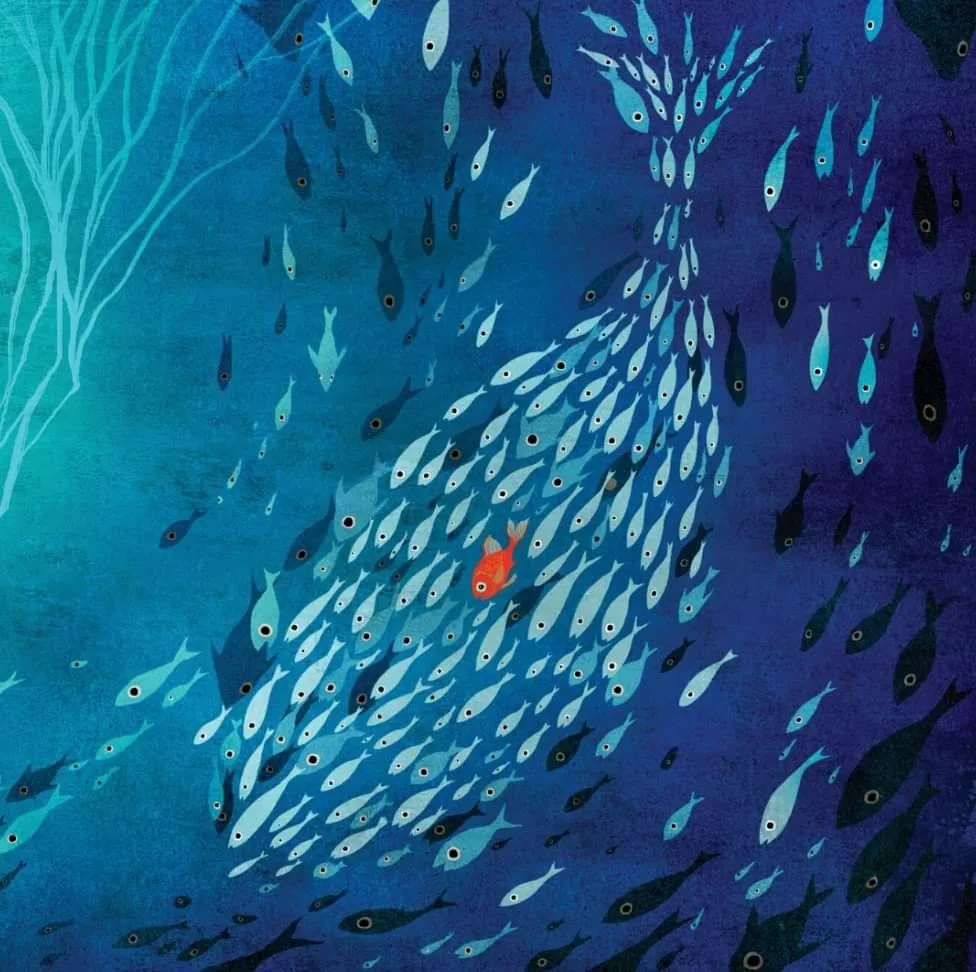
Our first retrospective didn’t begin with a conversation.
It began with hesitation.
As everyone gathered around the board, the room quickly filled with questions instead of ideas.
“What am I supposed to write?”
“Does this count?”
“I honestly can’t think of anything.”
People looked at the prompts, picked up a sticky note, put it back down, and started over again. Some wrote a few words, only to throw them away moments later.
It wasn’t because they had nothing to say.
They were simply trying to find the “right” answer to a question that had no right answer.
Looking back, I realized they weren’t struggling to reflect.
They were learning, perhaps for the first time, that reflection didn’t need to be perfect.
It only needed to be honest.

At that time, retrospectives were common in Scrum teams, but not within our design team. We already had design critiques, weekly syncs, project updates, and one-on-one conversations. We spent plenty of time discussing interfaces, deadlines, and deliverables.
What we rarely discussed was ourselves.
How were we feeling? What was making collaboration difficult? What had we quietly learned over the past few weeks? What frustrations kept repeating but were never spoken aloud?
The problem wasn’t communication.
The problem was that we had no shared space to reflect.
So we decided to create one. 🌠
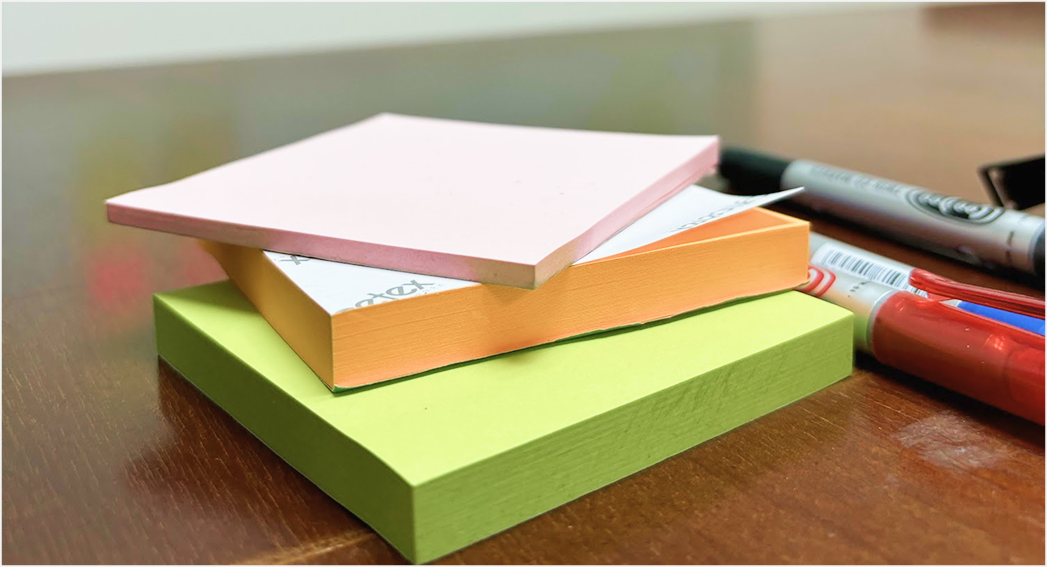
We started with a retrospective every two weeks.
The first few sessions were messy.
Questions were met with long pauses. People picked up a pen, hesitated, then put it down again. Sometimes I had to prompt them just to get things moving.
It wasn’t because they didn’t care.
They simply weren’t used to reflecting on their work this way. Sharing successes felt awkward , and talking about struggles felt even harder, especially in a room where everyone worked together every day.
Building a habit of reflection turned out to be much harder than introducing a new meeting.
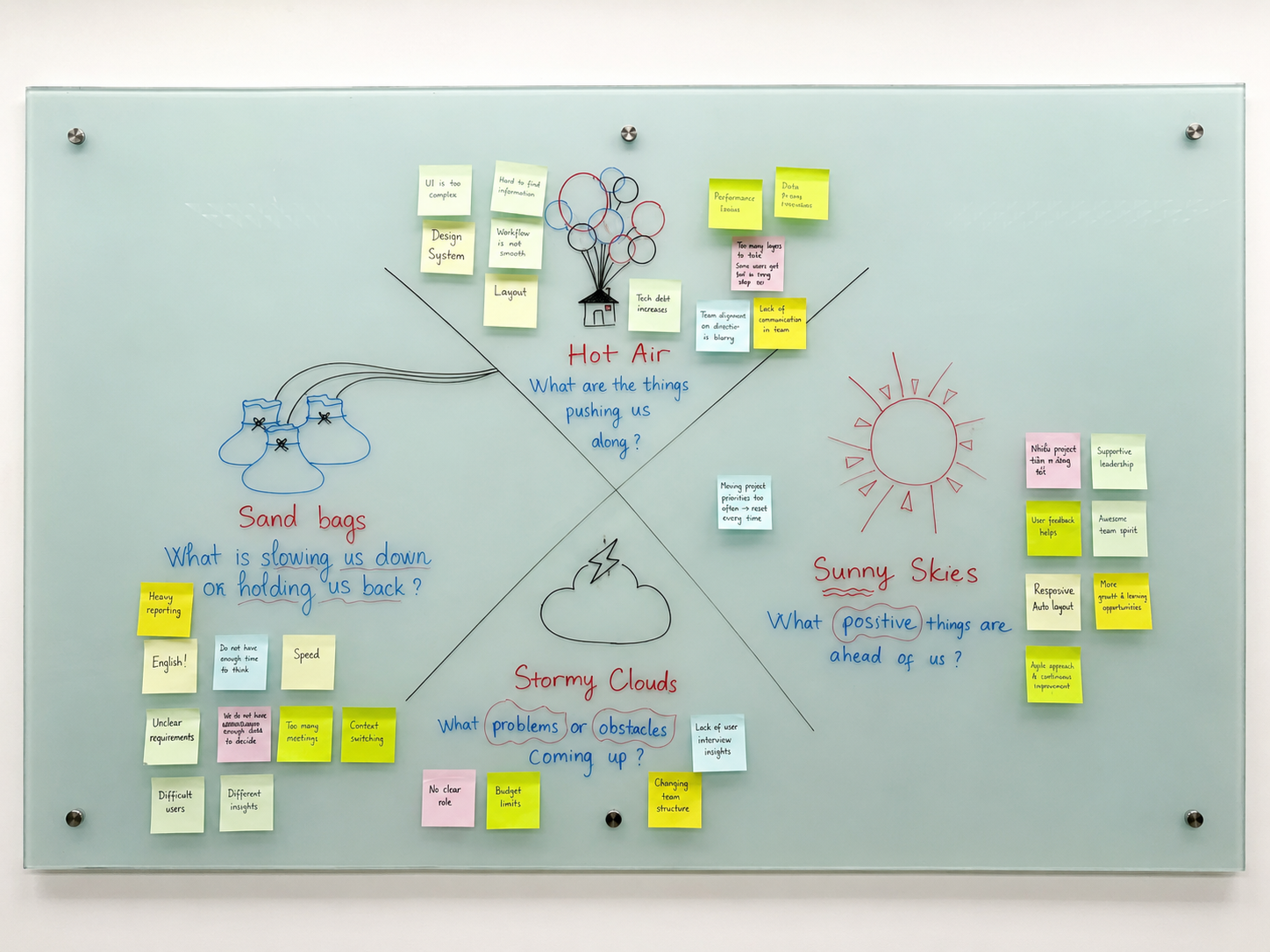
As the facilitator, I gradually realized something important.
If I wanted honesty from the team, I couldn’t wait for someone else to create it.
I had to go first.
That meant bringing up the uncomfortable observations that everyone could probably see but nobody wanted to say out loud.
Sometimes it was about burnout.
Sometimes it was about communication gaps.
Sometimes it was about confidence slowly disappearing from someone who had been struggling for weeks.
These conversations weren’t easy to start.
But once they began, something changed.
People realized retrospectives weren’t a place to judge each other.
They were a place to understand each other.
The discussion slowly shifted away from assigning blame and toward improving the system we were all working in.

Change didn’t happen overnight.
It happened one sticky note at a time.
The conversations became a little longer.
People started replying to each other instead of only answering me.
Someone admitted a mistake.
Someone thanked another teammate for helping them through a difficult sprint.
Someone finally voiced a concern they had been carrying for weeks.
None of these moments felt dramatic.
Yet together, they slowly changed how we worked as a team.
Without anyone announcing it, psychological safety was quietly taking root.
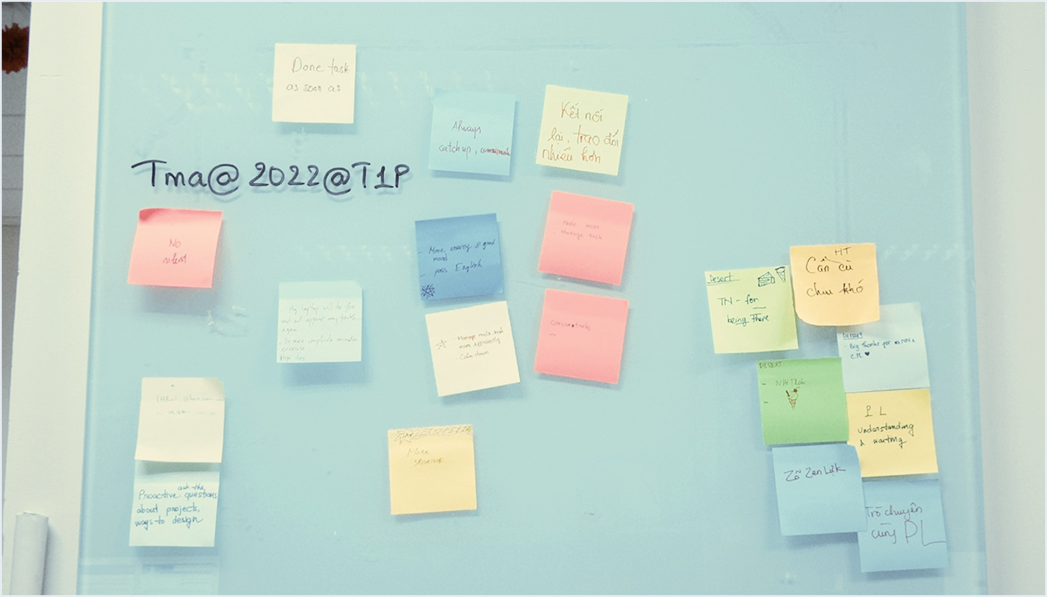
After several months, retrospectives no longer felt like something I was running.
👉🏼 They became something the team owned.
👉🏼 People started volunteering to facilitate sessions.
They explored different retrospective formats depending on what the team needed.
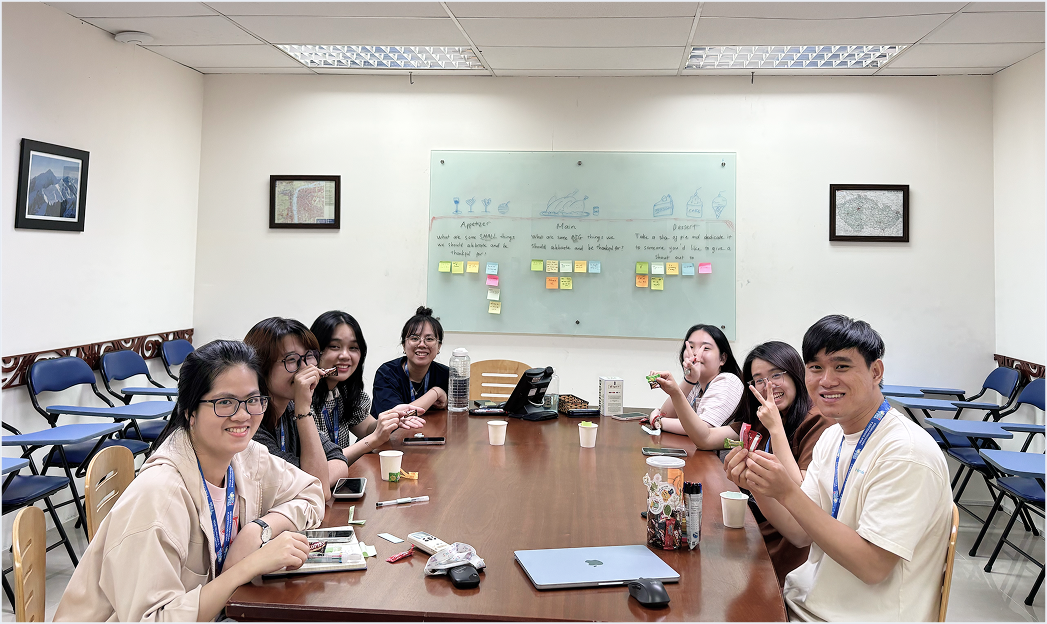
Around Christmas, we focused on appreciation and celebration.
At the end of the year, we reflected on personal growth and collective achievements.
When someone joined the team, we created activities that helped everyone get to know each other better.
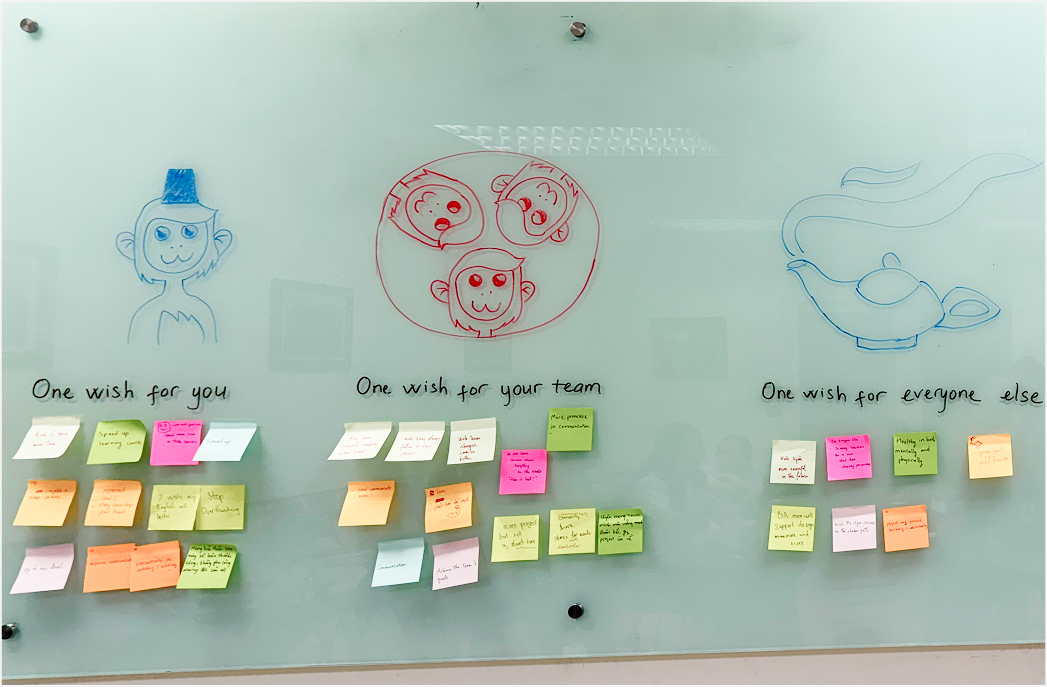
When someone left, we used a simple format called One Wish for You, One Wish for the Team to leave behind encouragement instead of just saying goodbye.
Looking back, we rarely reused the same template.
The purpose never changed.
Only the conversation did.
Like pouring old wine into a new bottle, the ritual stayed familiar while always feeling fresh enough to invite honest participation.
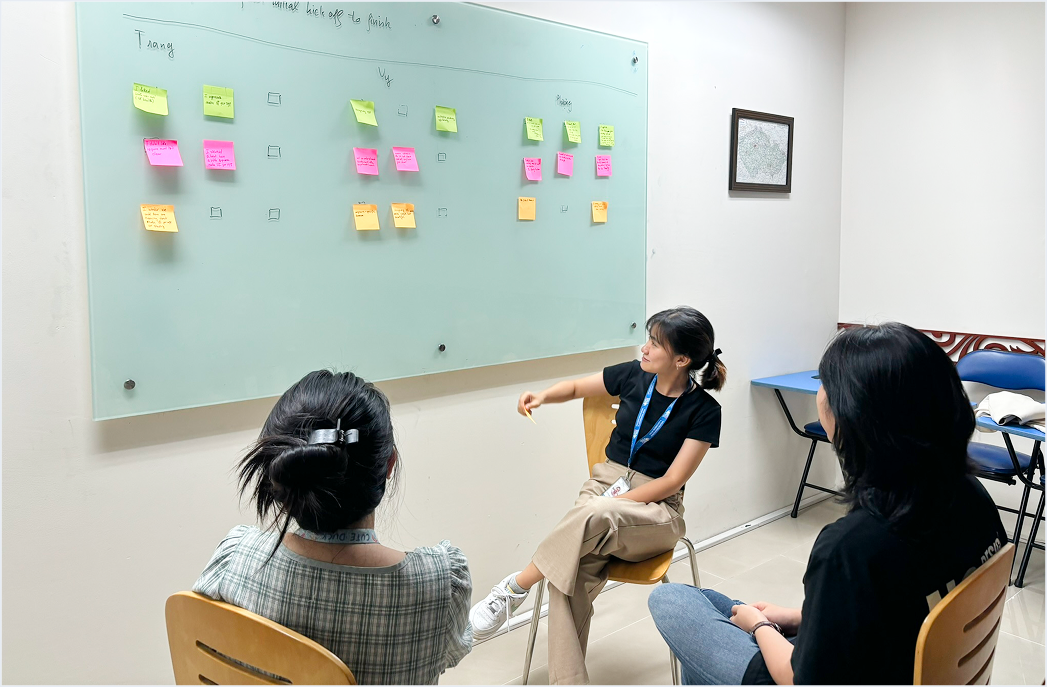
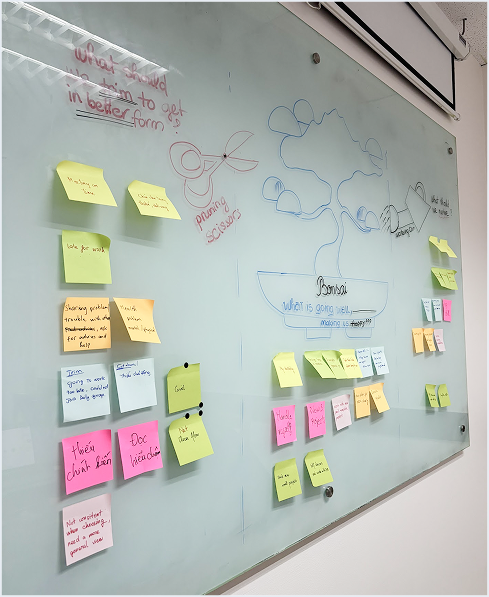
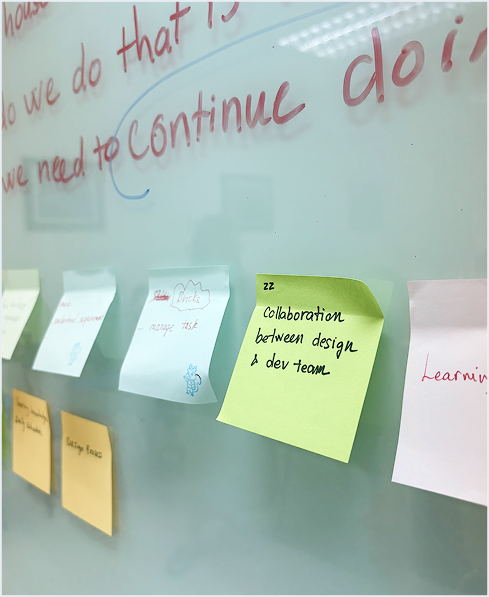
There wasn’t one big breakthrough.
Instead, there were many small moments.
One retrospective, I seemed like I wasn’t doing well before I ever mentioned it.
Another time, someone raised concerns about a teammate—not to criticize them, but because they genuinely cared.
People began seeing beyond their own work.
They started noticing each other’s energy, confidence, and wellbeing.
That was the moment I realized retrospectives had become something much bigger than a meeting.
They had become part of our culture.
Not because I designed the perfect process.
But because the team had learned to take care of one another.
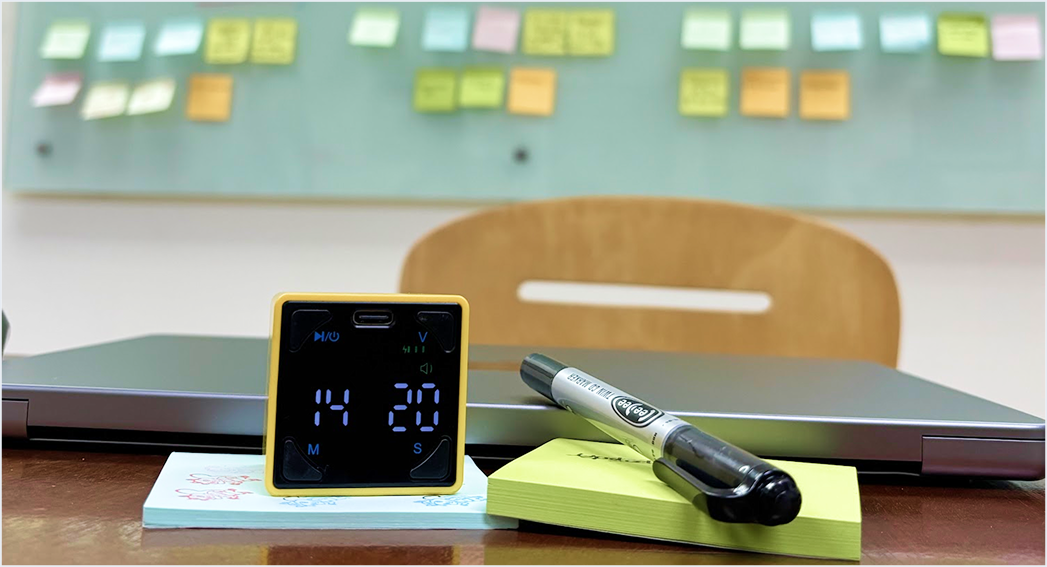
As our retrospectives became more natural, we changed the cadence from every two weeks to once a month.
Not because they became less valuable.
Because they no longer needed constant nurturing.
The conversations had become part of how we worked together.
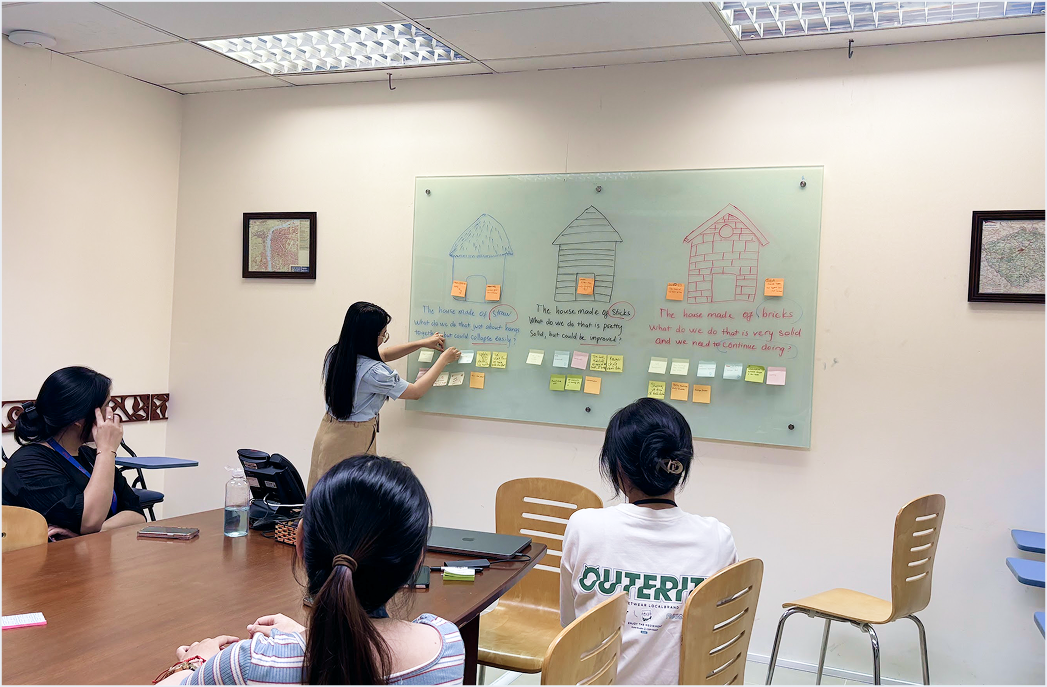
Eventually, I wasn’t always the facilitator anymore.
Different teammates hosted the sessions.
They chose activities.
They guided discussions.
They adapted the format to whatever the team needed at that moment.
Watching that happen was surprisingly emotional.
The ritual no longer belonged to me.
It belonged to them.
People often think leadership means standing at the front and leading every conversation.
I’ve learned that the best outcome is the opposite.
Leadership is creating something that continues even when you’re no longer the one holding it together.
For a while, I carried the lantern. 🏮
I showed the path, started the difficult conversations, and kept the ritual alive while it still felt unfamiliar.
But once the room became bright enough, it no longer mattered who held the light.
The team found their own way.
And I think that’s what culture really is.
Not something a leader owns.
Something a team chooses to keep alive together. 🌅
Cheers! Magic